
Stand Alone vs Automatic Banding Machine: Which One?

Banding Machine Uptime: What Actually Stops a Line
2026-10-26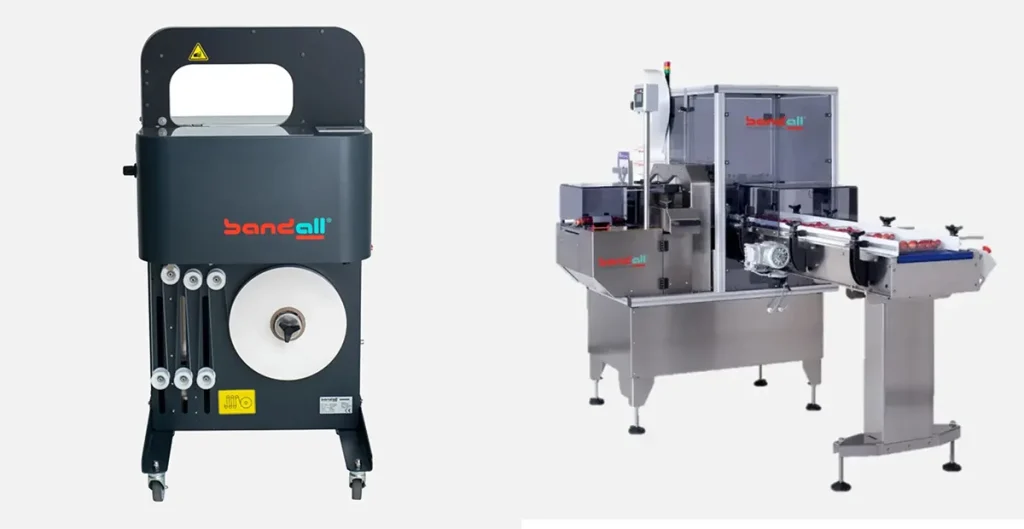
Choosing between a stand alone vs automatic banding machine usually starts with the wrong question: which one is cheaper. The better question is who feeds the machine, and how many packs an hour the line needs. Those two answers decide the type, and the price follows from them.
Check the product first
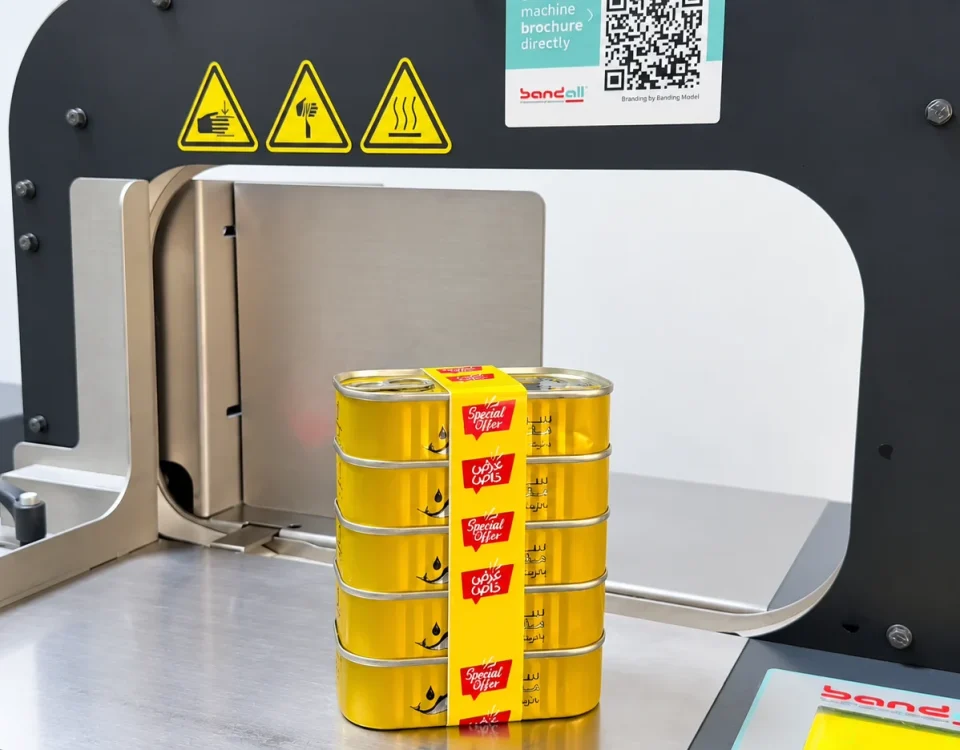
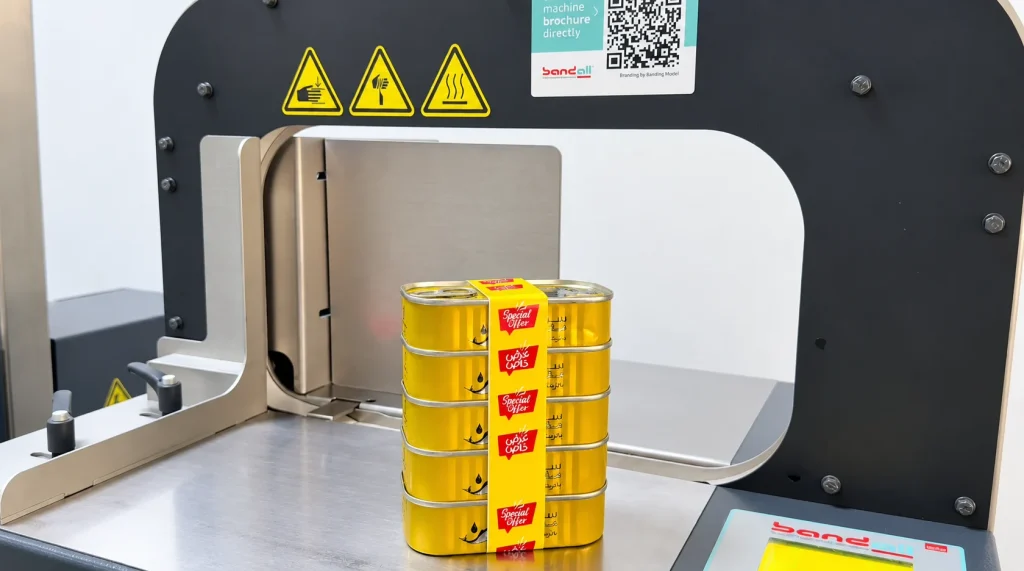
Before choosing a machine type, check that the product suits banding at all. Banding groups a count of small rigid units into one set: six to ten small cartons, a stack of trays, or twelve single toothpaste cartons in one bundle. It needs a flat or stable surface to hold against.
Some products are not a good fit, whatever the machine. Soft pouches and flexible bags do not hold a band well, and a single round bottle cannot be banded. Banding is also not the tool for holding two large shipping cartons together. If your product passes this check, the next question is the machine type.
What a stand alone banding machine is
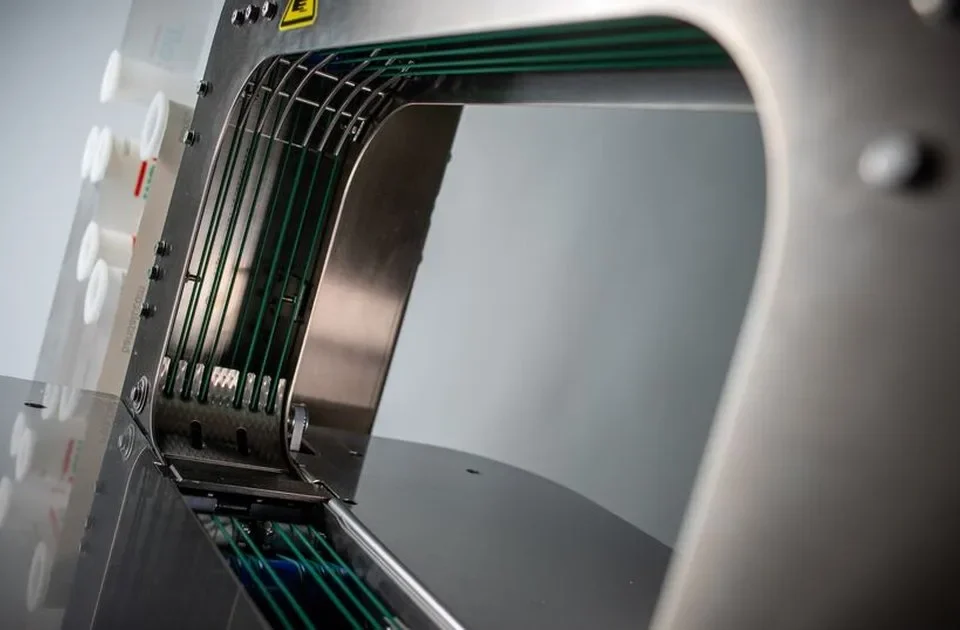
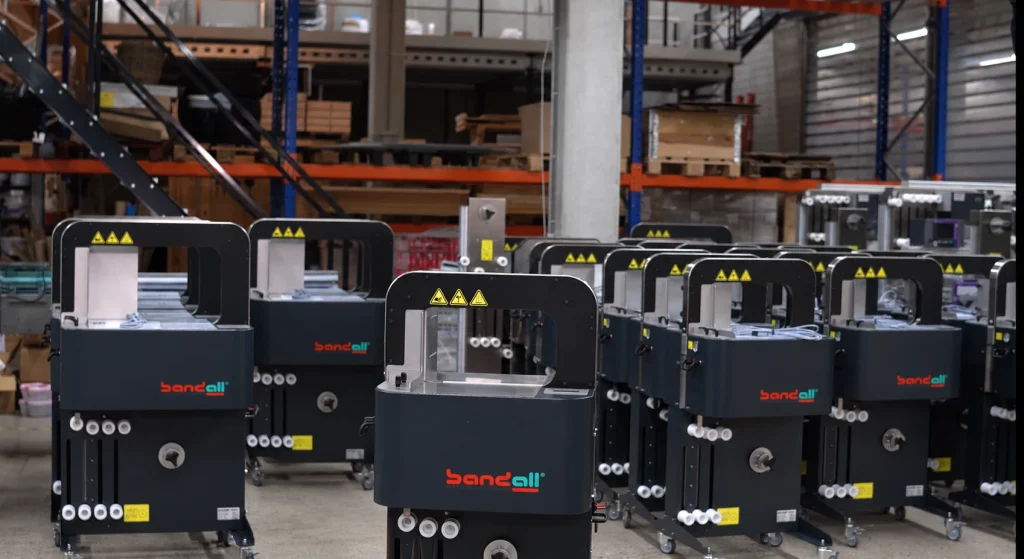
A stand alone machine is operator fed. The operator places each pack in the arch, and the machine draws the band out, closes it around the product, tensions it, seals the overlap and cuts. It sits beside the packing table, runs on ordinary power and an air compressor, and can be moved on its four wheels. The smallest unit weighs about 75 kilos.
This type suits small and mixed runs, a line that changes product often, and a plant that is not yet sure of its volume. Operators usually run the machine on their own within minutes, so there is no installation project to plan. We cover the first day in more detail in how easy a stand alone machine is to run, and the full range is on our stand alone banding machines page.
What an automatic banding machine is
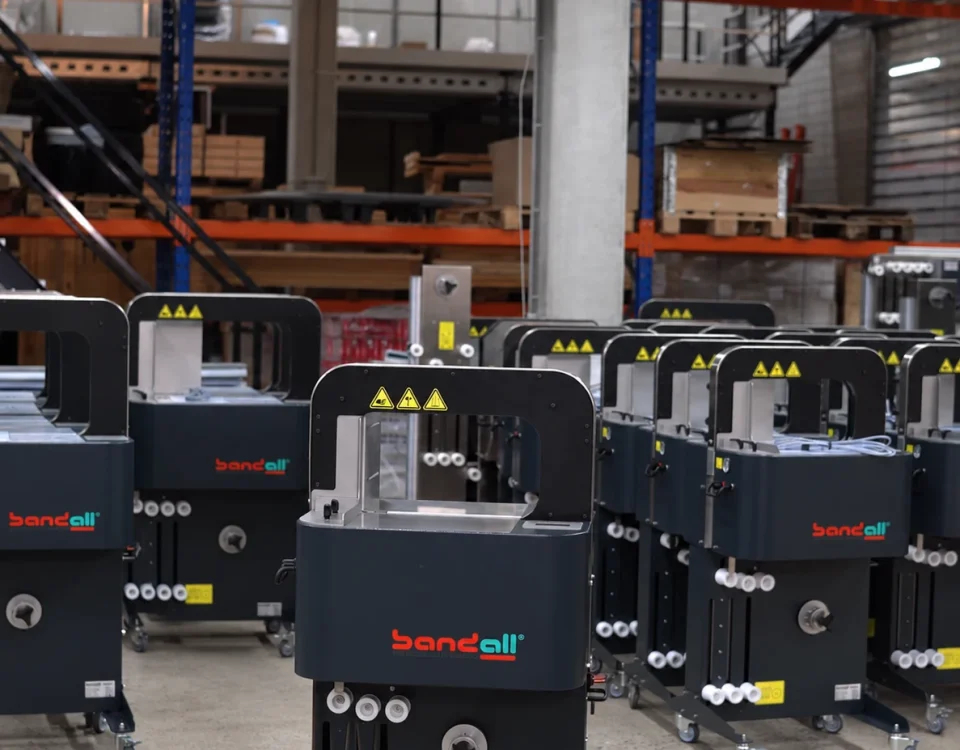
An automatic machine sits inline on a conveyor. Packs arrive on the belt, the machine bands them, and nobody feeds each pack by hand. It suits a line with a steady volume of one product, where the operator’s pace would otherwise set the output of the whole line.
Automatic machines are built into the line, so the decision is about the line as much as the machine. They can also be configured to do more than band. A stacking unit can connect to your line so the product is stacked first and then fed into the banding machine, and in some cases a robot handles the stacking step. A multi-head configuration places several banding heads on the same automatic machine for higher output. These are options on the automatic machine, not separate products. See our fully automatic banding machines for the range.
Stand alone vs automatic banding machine: pace and labour
On a stand alone unit the operator sets the pace. The quoted figure for a stand alone machine is up to 1,200 packs an hour, which is about 20 bundles a minute. In practice we have seen 22 packs a minute on a stand alone unit. Whether that is enough depends on your volume and on how many people are free to feed the machine.
An automatic machine removes the operator from the pace. With a multi-head configuration, an automatic system is quoted at up to 7,200 packs an hour.
| Option | Who feeds the pack | Best for | Speed (quoted) |
|---|---|---|---|
| Stand alone | One operator, pack by pack | Small and mixed runs, changing products | Up to 1,200 packs per hour |
| Automatic | Conveyor, no hand feeding | Steady volume of one product | Depends on product and configuration |
| Automatic, multi-head | Conveyor, several heads on one machine | High, steady volume | Up to 7,200 packs per hour |
When to move from stand alone to automatic
Ask the question in this order. First, is one operator on a stand alone machine fast enough for your volume today and for the volume you expect? If yes, a stand alone machine is the right tool, and it keeps the line flexible.
Second, is the operator now the bottleneck? If the line needs a pack every few seconds, for hours, with no one free to feed the machine, the next step is automatic. At that point the questions change: how the packs arrive on the conveyor, whether they need stacking before banding, and how many heads the volume needs.
Third, is the volume steady enough to build the line around one product? Automatic pays off most when the line runs a steady volume for long periods.
When the job is stacking and bundling
If the job is stacking packs into a bundle before banding, look at the automatic options built for that flow. Our automatic bundling machine page explains the stacking and bundling configurations. If you are still comparing bundling methods in general, start with how to choose a bundling machine. This article covers only the decision between stand alone and automatic banding.
Running and servicing either type
The day-to-day side is the same for both types. A roll change takes about 2 minutes, or about 5 minutes on a Branding by Banding machine with printed rolls, because two sensors have to read the mark on the roll. Service is once a year, a visit of about 2 hours, and no part has a replacement schedule. Machines bought from us are supported by our own team for up to 15 years, with a 1-year warranty. The full picture is in our article on banding machine uptime.
For planning, machines are typically delivered in 10 to 12 weeks, and some machines are sometimes in stock in Dubai. For the cost side of the decision, see banding machine price in the UAE.
Honest limits
A stand alone machine is not enough when the line needs a steady, high output and no one is free to feed it. In that case the operator becomes the bottleneck, and the line is ready for automatic.
An automatic machine is overkill when volume is small or the plant has no space for a conveyor line. For those lines a stand alone machine is the right tool, and the decision can be reviewed when volume grows.
What we need to recommend the right machine
To recommend a type, we need four things: the product size and shape, the packs per hour the line runs now and expects to run, the number of shifts, and the line layout where the machine would sit. With those, we can say whether a stand alone unit is enough or whether the line is ready for automatic, and which options the automatic machine needs.
Running time matters too. A stand alone unit is fed by hand, so a single-shift line and a three-shift line need different staffing decisions.
Frequently asked questions
What is the difference between a stand alone and an automatic banding machine?
A stand alone machine is fed by an operator, pack by pack. An automatic machine sits inline on a conveyor and runs without hand feeding.
How many packs an hour can a stand alone banding machine do?
The quoted figure is up to 1,200 packs an hour, about 20 bundles a minute. The actual rate depends on the operator, and we have seen 22 packs a minute in practice.
Is multi-head a separate machine?
No. Multi-head is a configuration of the automatic machine, with several banding heads on one machine. With multi-head, an automatic system is quoted at up to 7,200 packs an hour.
When should a line move from stand alone to automatic?
When one operator cannot keep up with a steady volume, and the line runs that volume for long periods.
Can an automatic machine stack the packs before banding?
Yes. A stacking unit can connect to your line so the product is stacked first and then banded. In some cases a robot handles the stacking step.
How much service does a banding machine need?
Service once a year, with a visit of about 2 hours. No part has a replacement schedule, and our support covers up to 15 years with a 1-year warranty on the machine.
Can we test the machine on our own product first?
Yes. Bring a sample of your product to our showroom in Dubai, where three machines run live. In the UAE we can also place a demo machine on your own line for up to about a week.
Try it on your own line
Send us the product size, the packs per hour, the shifts and a photo of the line, and we will tell you which type fits. Book a free banding demo in Dubai, or email sales@bandallmiddleeast.com or message us on WhatsApp at +971 50 547 7231.