
Banding Machine Uptime: What Actually Stops a Line

Linerless Ready Meal Packaging: Labels Without Adhesive
2026-10-24
Stand Alone vs Automatic Banding Machine: Which One?
2026-10-27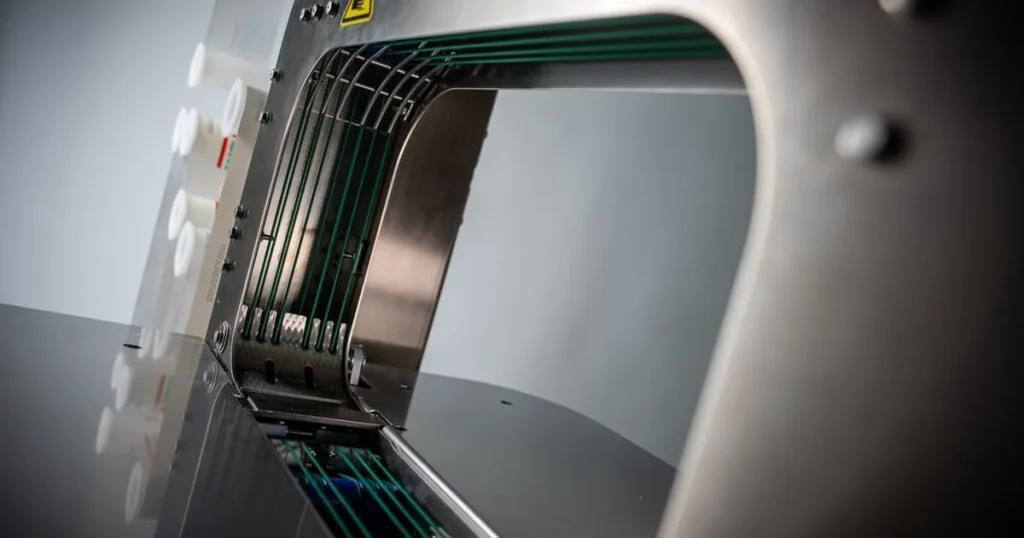
Most equipment suppliers answer the banding machine uptime question with an adjective. Reliable. Robust. Built to last.
That is not an answer. The answer is a list of the things that have actually stopped a machine, how many machines it happens to, and what wears out on a schedule. We have been servicing these machines in this region long enough to write that list down, so here it is.
The three things that actually stop a line
Across the service calls we have attended, three causes come up and nothing else comes close.
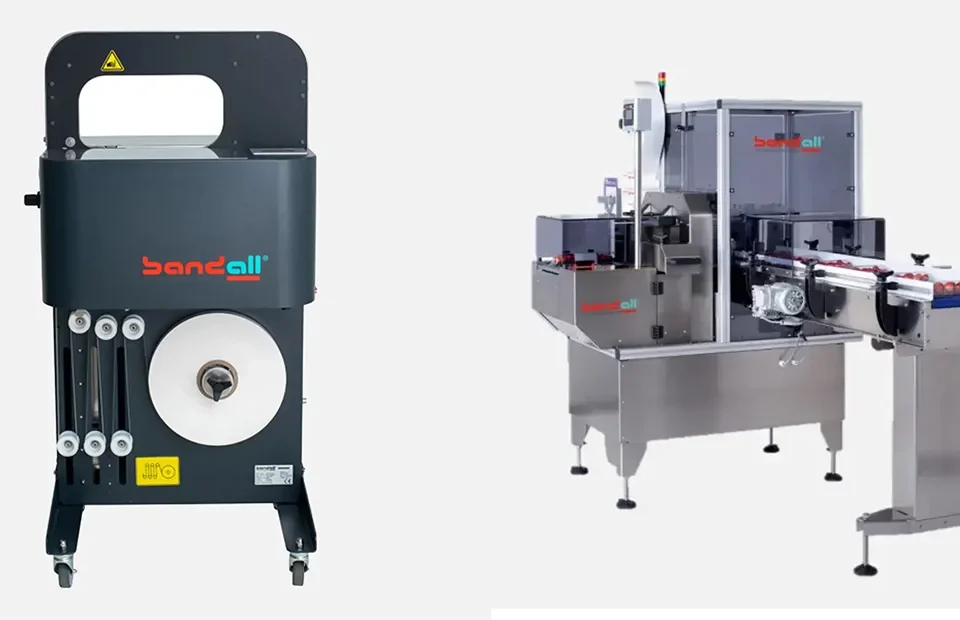
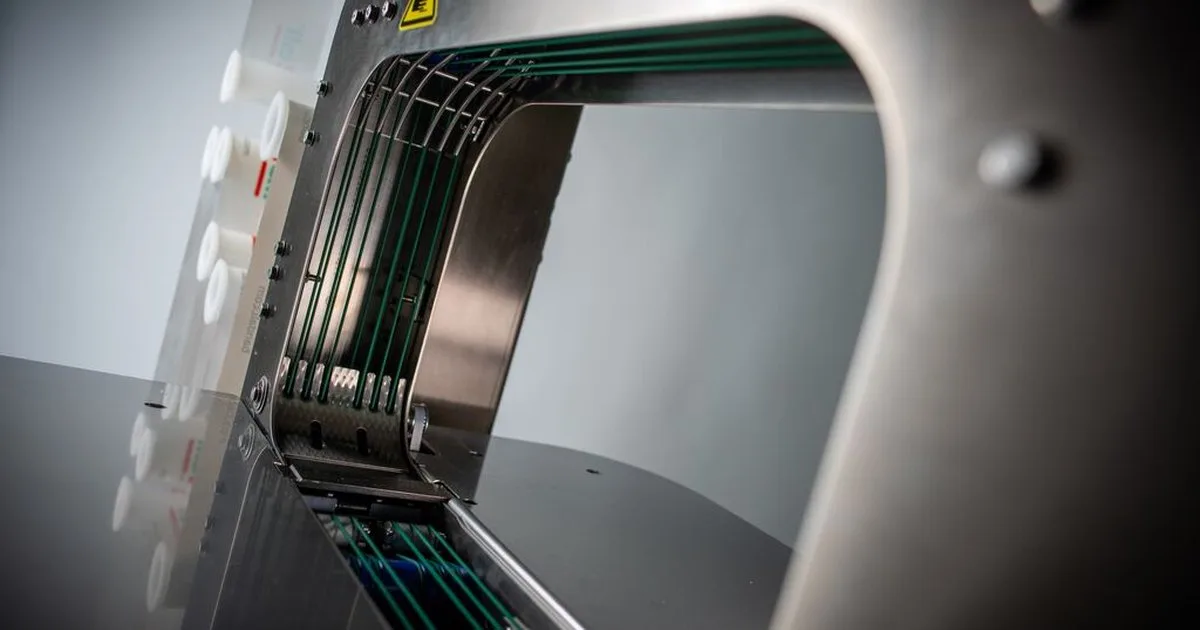
The green belts inside the arch. The arch is the frame standing above the product position, and the green belts inside it are what move the band through the loop. Any kind of damage to them will stop the line, including damage an operator does by hand while working at the machine. Worth being precise about this one: the belts are not a wear item on a schedule. They get damaged. That is a different problem with a different answer.
The touchscreen menu not responding. An electronic fault rather than a mechanical one. It is also, as it happens, the fastest thing on this list to resolve.
A sensor or the seal plate out of adjustment. This is not a failure at all. Nothing is broken; something is set wrong.
So two of the three are preventable: how the belts are handled, and whether the adjustment is understood. Only the touchscreen is out of anyone’s hands.
Now look at what is not on that list
No worn-out parts.
There is no part on these machines with a replacement schedule. Nothing to budget for every six months, nothing to hold on a shelf against a date in the calendar. As long as the machine is not physically damaged, parts are not what takes it down.
The number behind that: across our installed base, the earliest any customer replaced parts was after three years, and it was two or three parts. That is the earliest, not the average.
This is the part of the uptime conversation most equipment comparisons skip, because for a lot of machinery the consumable parts list is where the real running cost lives. Here it is close to empty.
How many banding machines actually stop
Here is the honest arithmetic, in the shape a plant manager can use.
Take a hundred machines. In the worst scenario we would plan for, about five of them would have a stoppage of any kind in a year, and the worst of those stoppages would clear in under 48 hours.
That is the pessimistic ceiling, not the record. In 2025 the real figure did not reach two machines.
We would rather give you the ceiling and the reality than one flattering number. If you are building a business case, plan against five in a hundred. If you want to know what actually happened last year, it was fewer than two.
When something does stop, how long does it take
Two numbers from real history, both ends of the range.
The worst case has been under 48 hours, from the call to the line running again.
The fastest was under half an hour, on the touchscreen fault.
Behind those is where the parts come from. Commonly used spares are held here in Dubai, so they do not cross a continent. Anything else is ordered directly from the manufacturer in the Netherlands. Machines bought from us are supported by our own team for up to 15 years, with a year of warranty on the machine.
What those numbers mean in hours per year
A business case needs hours, not percentages, so here is the same data turned into lost time. This is the worst-case arithmetic, built only from the figures above.
- Planning ceiling: five stoppages in a hundred machines, each one at the worst case of 48 hours, is at most 240 machine-hours in a year across the whole hundred.
- Per machine: that is under 2.5 hours of unplanned stoppage per machine per year, and only if every stoppage hits the worst case.
- Planned time: add about two hours for the annual service visit, which you schedule yourself around your production plan.
- What 2025 looked like: fewer than two stoppages in a hundred machines, so the real figure sits well below that ceiling.
If your line runs one shift or three, the planning number stays the same, because none of it is driven by running hours. That is what it means for a machine to have no wear schedule.
Service: once a year, about two hours
The recommended interval is at least annual. The visit takes about two hours.
That is the whole maintenance programme. There is no running-hours schedule to track, no quarterly inspection, no parts kit to pre-order. For a line manager used to planning around maintenance windows, this is usually the surprising part.
Roll changes, and the one case where they take longer
Changing a roll takes about two minutes.
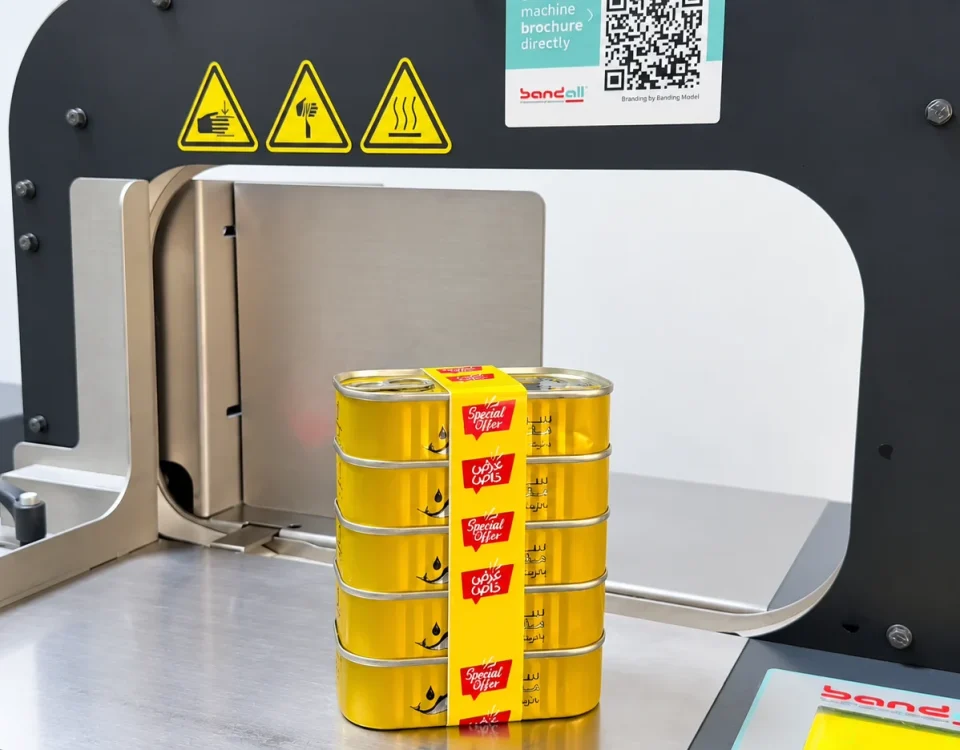
With one exception worth knowing before you specify a machine. On a Branding by Banding machine, the configuration that places your print in exactly the same position on every pack, a roll change takes about five minutes, because the machine has two sensors reading the I-mark or black mark on the printed roll and both have to pick it up correctly.
Three extra minutes is the price of positioned printing. If your brand needs the logo to land in the same place on every single pack, it is worth it. If it does not, do not buy the sensors and do not pay the three minutes.
That trade-off belongs in a specification conversation and usually is not in one.
What you can actually do about uptime
Two of the three causes are in your hands, and both come down to the same thing: who was in the room at commissioning.
The belts. They get damaged, and most often by a hand reaching into the arch while the machine is working. Operators who understand what the belts do and what the machine is doing when it is mid-cycle do not reach in there. Operators who were never shown, do.
The adjustment. Sensor position and seal plate are settings, and settings drift when nobody knows what they should be. Make sure at least two of the people who will actually run the machine can set tension and check sensor position without calling anyone.
Neither of these is difficult, and operators pick it up fast. In one recent demo at a print shop, the line staff were running the machine themselves within minutes of it arriving (see how easy a stand alone machine is to run). The difference is whether they were there when it was set up.
The touchscreen is ours. Call us.
A commissioning checklist for maximum uptime
Everything above comes down to a short list. Run through it on the day the machine is installed, with the people who will run it in the room.
- Show every operator the green belts inside the arch, what they do, and why hands stay out of the arch while the machine is mid-cycle.
- Train at least two operators to set band tension and check sensor position and the seal plate without calling anyone.
- Have each operator do a roll change themselves: about two minutes, or about five on a Branding by Banding machine with printed rolls.
- Book the first annual service visit in the calendar now, at a time that suits your production plan.
- Put our service number on the machine, so a touchscreen fault is one call away.
The honest limits
Physical damage is the exception to all of this. A machine that gets knocked, flooded or run into by a forklift will break parts, and no maintenance schedule protects against that.
Consumable prices move with the market. The band is a packaging material like any other and its price follows the market. That is a running cost rather than an uptime question, but it belongs in the same budget conversation. For the investment side, see our guide to banding machine price in the UAE.
Four banding machine uptime questions to ask every supplier
If you are comparing machines, ask every supplier for the same four things we have just given you:
- The list of real failure causes from their own service calls.
- The parts replacement schedule, and the earliest date a customer actually replaced parts.
- How many machines in a hundred stop in a year, as a planning ceiling and as last year’s real figure.
- The worst-case resolution time from their own service history, and where the spare parts are held.
The answers will tell you more than any specification sheet.
Frequently asked questions
What causes a banding machine to stop?
In our service history, three causes: damage to the green belts inside the arch, the touchscreen menu not responding, and a sensor or the seal plate being out of adjustment. Two of the three are preventable.
Which parts of a banding machine need replacing regularly?
None on a schedule. As long as the machine is not physically damaged, there is no periodic replacement list. The earliest any of our customers replaced parts was after three years, and it was two or three parts.
How many banding machines actually stop in a year?
In the worst scenario we would plan for, about five in a hundred would have a stoppage of any kind in a year. In 2025 the real figure did not reach two in a hundred.
How quickly is a stoppage resolved?
The worst case in our history has been under 48 hours, from the call to the line running again. The fastest was under half an hour, on a touchscreen fault. Commonly used spares are held in Dubai; anything else comes directly from the manufacturer in the Netherlands.
How often does a banding machine need servicing?
At least once a year, and the visit takes about two hours. There is no running-hours schedule and no parts kit to pre-order.
How long does a roll change take?
About two minutes. On a Branding by Banding machine it is about five minutes, because two sensors have to read the I-mark or black mark on the printed roll. That is the cost of placing the print in the same position on every pack.
What can we do to avoid downtime?
Two of the three causes are in your control. The belts get damaged, usually by a hand reaching into the arch mid-cycle, so operators need to understand what the machine is doing. And sensor and seal plate adjustment is a setting, so make sure at least two of your operators can handle it without calling anyone.
What support comes with the machine?
Machines bought from us are supported by our own team for up to 15 years, with one year of warranty on the machine.
Talk to us about your line
Tell us what you run and how many shifts, and we will tell you what to expect from a banding machine on your line. Contact us, book a free banding demo in Dubai, or look at industrial banding, fully automatic banding machines and about Bandall.
Email sales@bandallmiddleeast.com or message us on WhatsApp at +971 50 547 7231.